

Lola Kay
CEO & Business Credit and Financing Expert
One of the most common challenges business owners face is delaying equipment purchases because they are concerned about preserving cash.
Unfortunately, postponing needed upgrades can sometimes become more expensive than the equipment itself. Older equipment may create production bottlenecks, increase maintenance expenses, reduce efficiency, and limit a company’s ability to take on new opportunities.
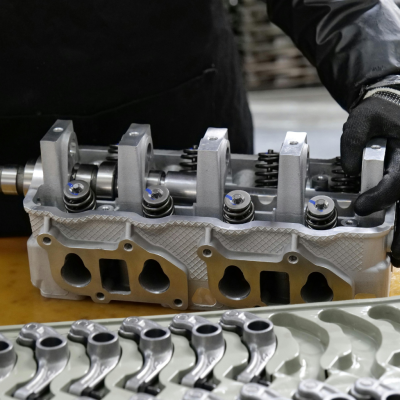
When businesses combine strategic equipment investments with financing solutions, they often gain the ability to:
- Grow without depleting cash reserves
- Modernize operations
- Improve competitiveness
- Position themselves for future expansion
What Is the Section 179 Deduction?
Section 179 of the Internal Revenue Code allows qualifying businesses to deduct the cost of eligible equipment and certain business assets in the year they are placed into service, rather than depreciating the asset over several years.
For tax years beginning in 2026, businesses may deduct up to $2,560,000 of qualifying equipment purchases. This deduction begins to phase out once total qualifying equipment purchases exceed $4,090,000 during the tax year.
In simple terms, if a business purchases qualifying equipment and places it into service during the tax year, it may be able to deduct a substantial portion or potentially all of the cost immediately, subject to eligibility requirements and taxable income limitations.
In other words, Section 179 allows up to 100% of the purchase price of qualifying equipment to be deducted immediately, up to the overall Section 179 limit of $2,560,000.
Just a side note: there is also currently a 100% bonus depreciation provision available for certain qualified property acquired and placed in service after January 19, 2025, under recent tax law changes. That’s separate from Section 179 but should be discussed with your tax specialist as another potential tax-saving opportunity.
So how would that work? Example:
A business purchases and places into service:
- CNC machine: $150,000
- Delivery truck: $75,000
- Software: $25,000
Total = $250,000
Assuming the assets qualify for the business and the business has sufficient taxable income, the business may be able to deduct 100% of the $250,000 in the year the equipment is placed in service, reducing their taxable income by $250,000.
Why Equipment Investments Matter
The business landscape is constantly evolving. Companies that invest in productivity enhancing equipment often position themselves to compete more effectively than those relying on outdated systems.
Equipment upgrades can help businesses:
- Increase production capacity
- Improve operational efficiency
- Reduce maintenance and repair costs
- Expand service offerings
- Improve employee productivity
- Enhance customer satisfaction
- Stay competitive within their industryFor example, a contractor may purchase additional machinery to take on larger projects. A manufacturer may add production equipment to increase output. A transportation company may expand its fleet to meet growing demand. In each case, the equipment isn’t simply an expense it’s an investment intended to generate future revenue.
Ready to Upgrade or Expand Your Business?
The right equipment can improve efficiency, increase capacity, and help your business stay competitive. Explore financing solutions that allow you to invest in growth while keeping cash available for day-to-day operations.
Financing Equipment Instead of Paying Cash
One common misconception is that a business must pay cash to receive Section 179 benefits.
In many cases, qualifying financed equipment may still be eligible for Section 179 treatment, even when purchased through an equipment financing arrangement. This can create an attractive scenario for businesses that want to preserve working capital while still investing in growth.
Rather than using a large amount of cash reserves for a purchase, a business may be able to:
- Acquire needed equipment immediately
- Preserve cash for payroll, inventory, marketing, or other operating expenses
- Spread payments over time
- Potentially benefit from available tax deductions
This combination allows many businesses to improve operations without significantly impacting day-to-day cash flow.

A Simple Example
Imagine a company needs $150,000 of new equipment to increase production. Without financing, the company would need to spend $150,000 upfront.
With equipment financing, the company may be able to acquire the equipment with manageable monthly payments while potentially remaining eligible for Section 179 treatment if the equipment qualifies and all IRS requirements are met.
The result may be:
- Improved production capacity
- Increased revenue opportunities
- Preserved working capital
- Potential tax savings
Again, the actual tax impact depends on the company’s specific circumstances and should be reviewed with a qualified tax professional.
If your business is considering purchasing equipment to replace aging assets, increase capacity, or support growth and exploring ways to acquire equipment without making a large upfront cash investment, our Equipment Financing solutions can help businesses secure the machinery, vehicles, technology, and other assets they need to grow while maintaining healthy cash flow.
We work with businesses seeking equipment financing solutions for a wide range of industries and equipment types. By securing financing that aligns with your cash flow needs, you may be able to acquire the equipment your business needs today while preserving capital for future opportunities.
Before making any equipment purchase, be sure to discuss potential Section 179 benefits with your CPA or tax advisor. When used strategically, equipment financing and Section 179 can be a powerful combination for businesses looking to grow, remain competitive, and potentially reduce their tax burden.
Disclaimer: This article is for informational purposes only and should not be considered tax, legal, or accounting advice. Tax laws and eligibility requirements can change. Consult a qualified tax professional regarding your specific circumstances.